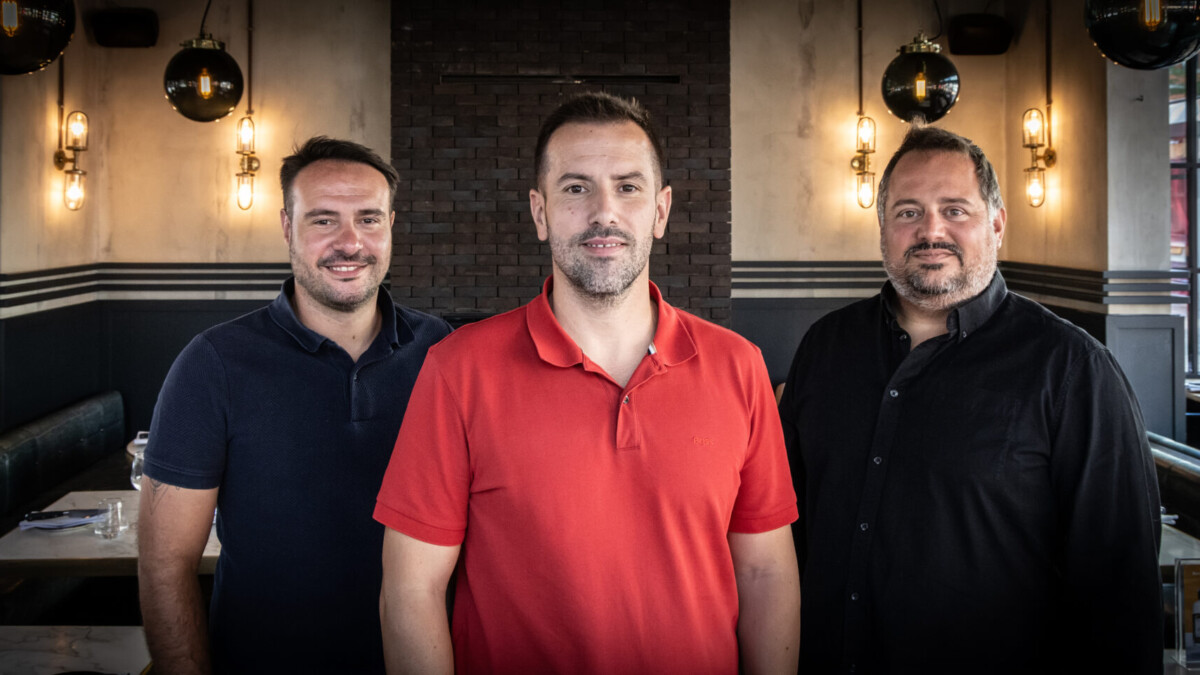
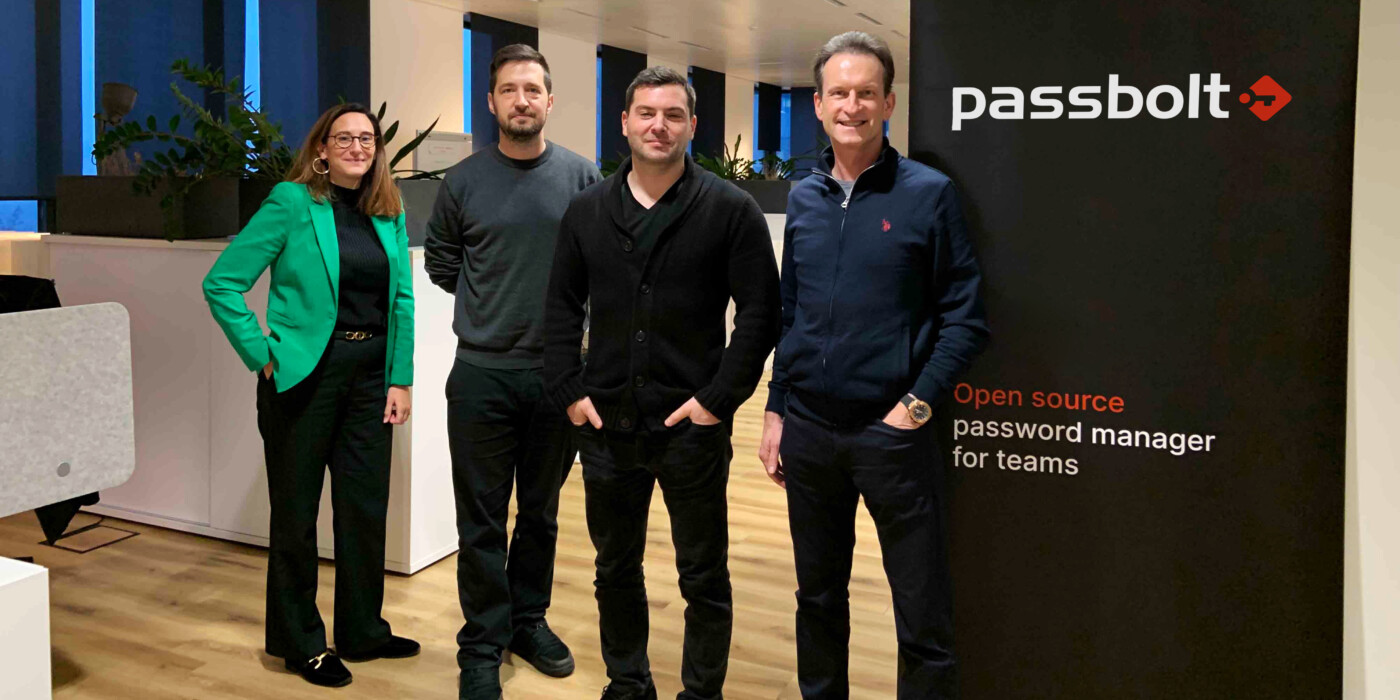
Founded in 2016, Passbolt is an open-source solution for collaborative password and secret management that bridges the gap between individual password managers and overly complex professional solutions. The original idea was imagined in the 2010s, in India, where the company kept a small office, simply to solve password management issues for professionals. Passbolt initially incubated at the Technoport in Belval, is still based nearby in Belvaux, but also has teams in France, Germany, Spain, Australia, and more… Passbolt has users in many sectors, including the public sector and universities, defense agencies and military organisations, aviation and nuclear companies. In January 2025, Passbolt raised 8 million dollars to accelerate the development of its platform.
Interview with Kevin Muller, co-founder & CEO.
(Visited 28th November 2025)
Our main project is to become the leader in the credential management industry by expanding the quantity of use cases that our platform handles. The more we grow in adoption, the more use cases our users and customers ask us to support, which in turn require us to grow to be able to serve them. From that perspective, we’ll have to keep growing to keep serving our market as well as possible.
In addition to that, we observe that there is a strong demand coming from upstream organizations, driven by changing requirements in terms of security and sovereignty. While Passbolt was only a tool for SMBs a few years ago, today it is adopted by large corporations with more complex and sophisticated requirements. Passbolt roadmap is now evolving to be able to adapt to the needs of these companies.
The main difference is sovereignty. Passbolt is open source, built in Europe, and can be self-hosted on premises or in a sovereign cloud. Customers keep control over where their data lives and who can audit the code that protects it. For many organisations in Luxembourg and across the EU this is not a nice to have. It is a requirement.
The other big difference is that Passbolt is a 360 degrees platform for credential management, solving many different pain points. Most competitors come from one of two worlds: either they started as consumer password managers and moved up to teams, or they are large PAM suites that were built for very big organisations.
Passbolt was designed for IT teams from day one. Admins, DevOps and security engineers use it to manage infrastructure secrets. Then they extend the same platform to the rest of the workforce. Even if the product is built with technical teams in mind, the interface is simple enough that finance, HR or legal teams can use it as their everyday password manager without special training. That combination of IT grade features with organisation wide usability is quite specific.
The biggest challenge is to move fast without breaking things.
We operate in security. Our software protects the most sensitive credentials of our customers. At the same time the market is changing quickly with new regulations like NIS2, more automation and new threat models. So we have to ship improvements at a good pace, but with strong engineering discipline, security reviews and predictable releases.
The second challenge is people. We are growing an international team around a strong base in Luxembourg. Hiring the right profiles, keeping a high technical bar and maintaining a healthy culture across locations takes time and focus. It is not something you can delegate to a slide deck.
Consistency over a long period of time.
Most companies that look like a success story today are the result of years of work that did not make any headlines. Showing up every day, listening to customers, fixing small issues, improving one process at a time. It is not very glamorous, but it compounds.
Ideas and timing matter, but durability matters more. You need the emotional and financial stamina to stay in the game when things are slow or uncertain. Entrepreneurship is less about a single bold move and more about thousands of small, consistent decisions.
I am inspired by European open-source companies that built strong businesses while staying close to their community.
Companies like Odoo, Nextcloud, Strapi and Matomo are good examples. They started in niches where large proprietary vendors were dominant. They grew step by step, by focusing on the product, listening to users and building ecosystems instead of just customer lists. Many of these founders have been at it for more than a decade.
What I take from them is their resilience and their clarity of purpose. They show that you can combine sustainable growth, technical quality and user sovereignty. That is very close to what we want to achieve with Passbolt.
Invest in people first.
In a company like ours the main asset walks in and out of the office every day. Investing in people means hiring with care, giving them autonomy, supporting their learning and making sure they can do their best work without burning out.
Culture is the result of these choices. In a small country like Luxembourg, with an international and competitive talent pool, culture is also a practical advantage. If people feel trusted, informed and respected, they stay longer and take ownership. That is the kind of investment that continues to pay off, even when technology or markets change.